

It's Time To Go
but with style.


Business or leisure, there’s one amenity that would make me book a hotel immediately: access to a micro-mobility vehicle.
I’m not talking about bikes. Bikes are a great idea, but hotel bikes are often poorly executed. To suit the widest range of guests, they become average at everything: average size, average build, average ride. In trying to please everyone, they end up delighting no one.
And then there’s the practical problem; you either arrive sweaty or move too slowly. Fine for a quick trip to the beach down the street, less ideal when you need to cross a city, or you’re in business attire.
Improving mobility is hospitality’s next frontier. For too long, hotels have treated the guest experience as something that happens within the property’s four walls. That made sense when the hotelier was simply an innkeeper. But guests now expect more than shelter and safety. The experience starts before check-in and continues well after checkout.
Traditionally, taking care of guests during a stay meant having a concierge book a taxi. But taxis can be expensive, slow in cities that discourage large cars, and simply unavailable in remote destinations.
That’s where God answered my prayer and made this the moment for the microcar (or Neighbourhood Electric Vehicle).
Designed for busy city centres and beach towns, microcars are ideal for short, frequent trips. They’re chic, fully electric, economical to run, and small enough to park almost anywhere. Best of all, they’re simple: no need for a two-hour inspection before and after every rental, looking for a dent.
These vehicles are a natural fit for a new wave of hospitality, one where you come for the hotel but stay for the amenities.
Here are four projects that should caught the eyes of every hotelier:
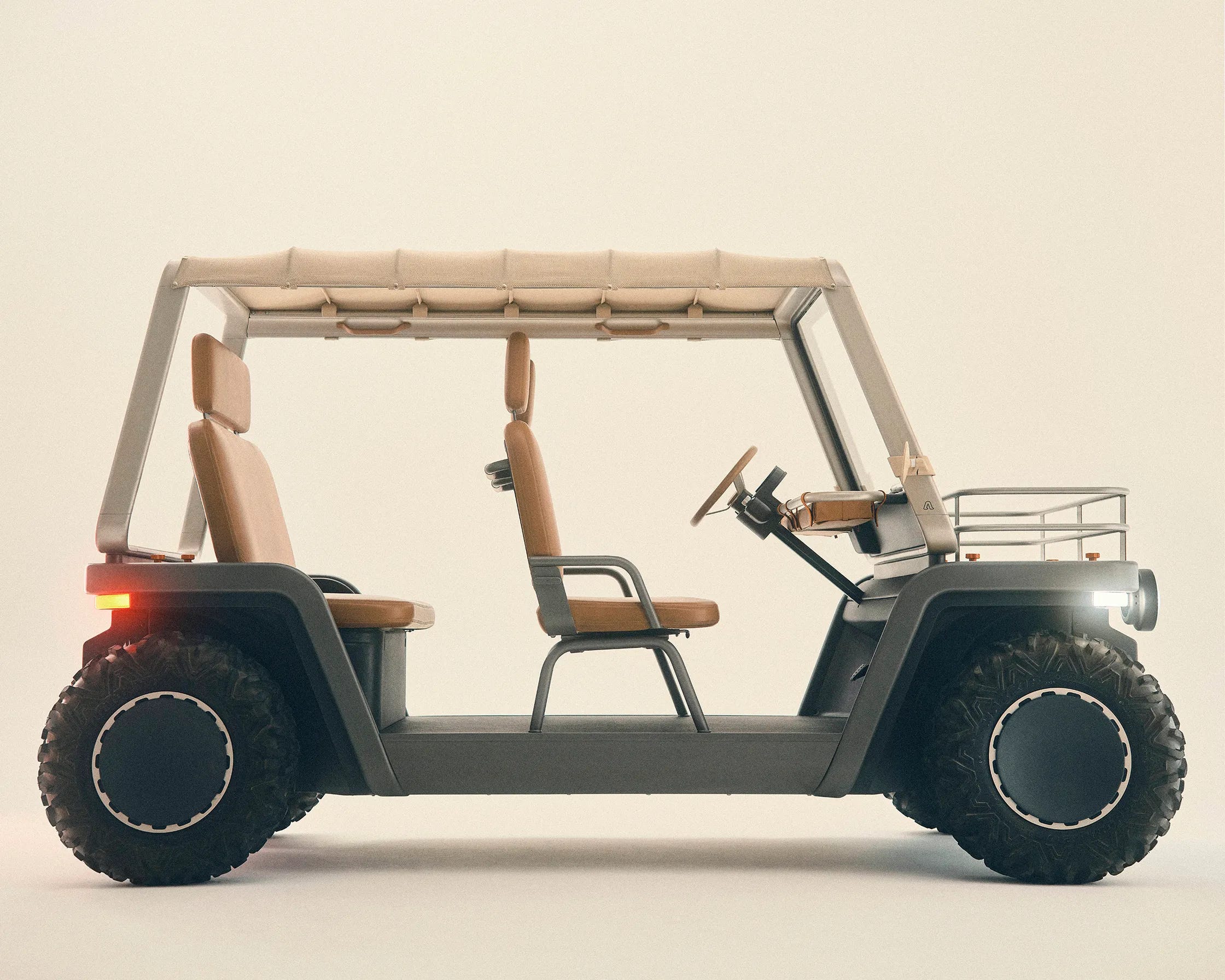
The most design-forward of the bunch, created by alumni of Apple, Audi, and electric-bike maker Cowboy. It stays under 450 kg to meet Europe’s L7e category. It’s street-legal, offers more than 60 miles of range, tops out at 40 mph, and fully charges at home in five hours. Its highly configurable design and premium materials make it a perfect candidate for hotel brands like Amangiri and Six Senses, which have already ordered some.
This newsletter is free and always will be, so if you enjoy this edition, the best way to help is to share it with someone who might like it too.
And if they don’t thank you for it, I will.
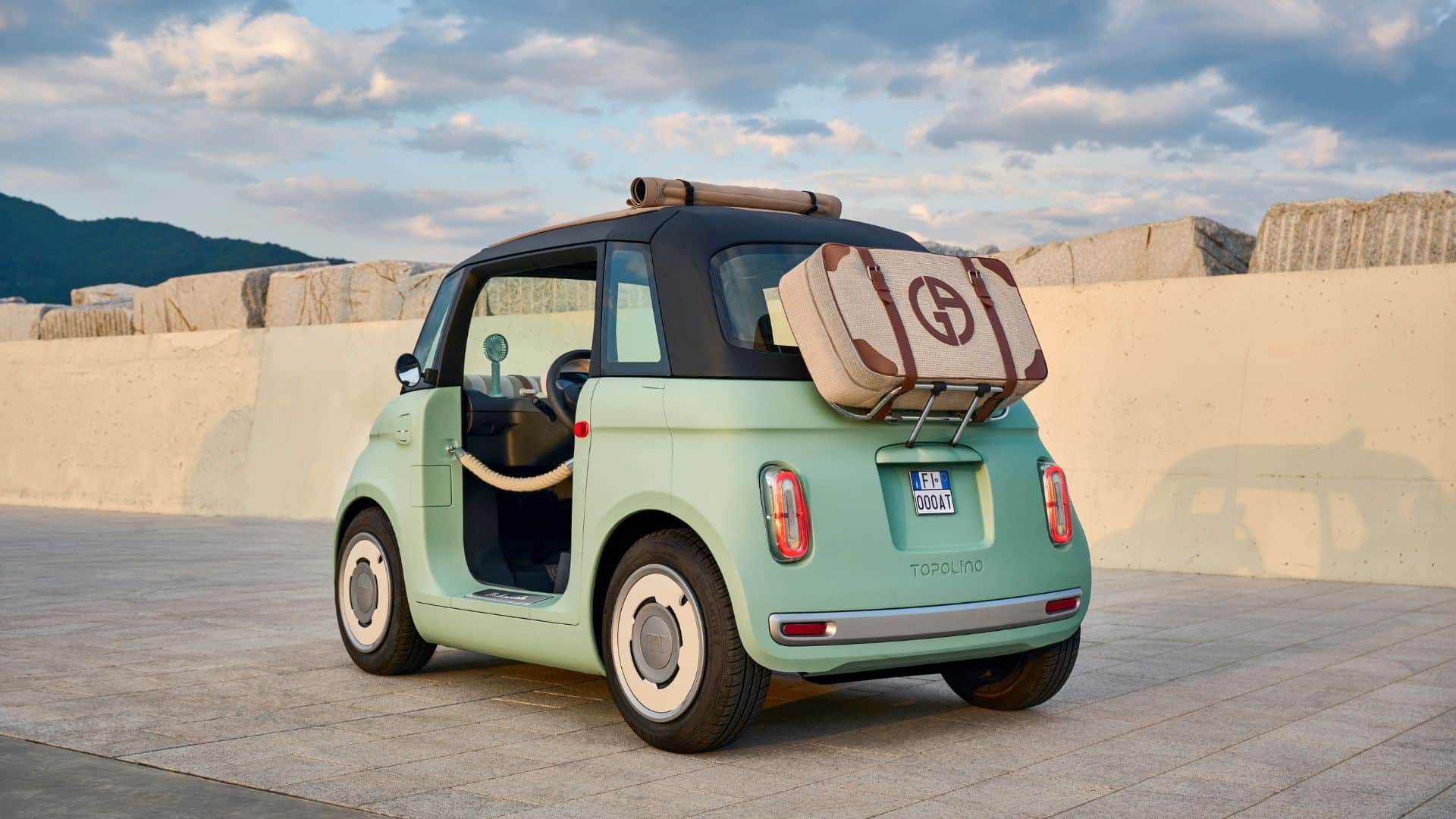
The Topolino is a tiny all-electric quadricycle that has become a hit in Italy. Fiat just announced its launch in the US, with a price just under USD 15,000. Built in Morocco, it’s designed more like a street-legal egg on wheels
than a traditional car, with a top speed of 25 mph and up to 46 miles of range. Enough to serve a retirement community in Florida pretending to live la dolce vita, as long as its residents are not too tall.
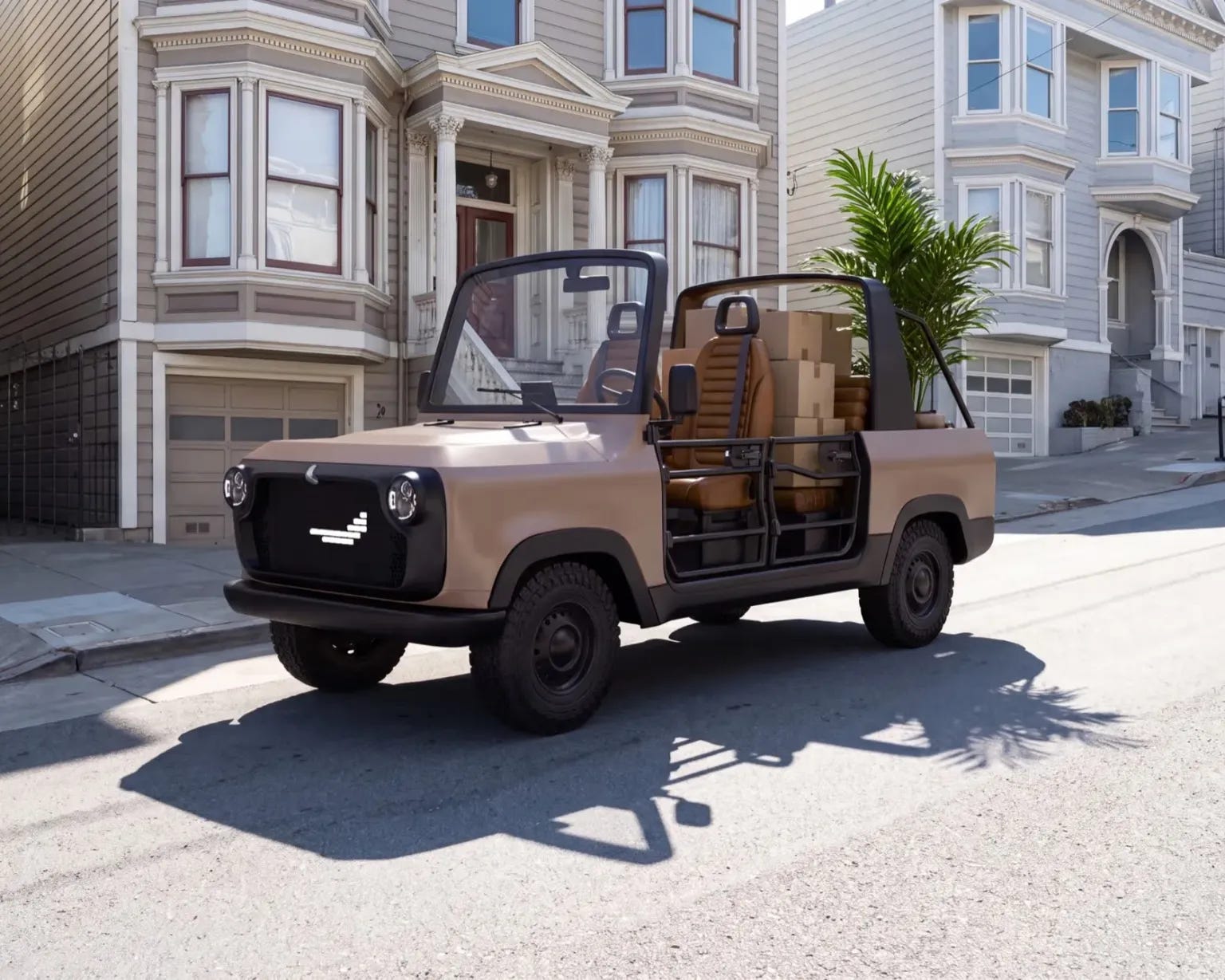
For 4x4 lovers, or fans of the movie Cars, judging by the marketing presentation, it looks more like a toy than a car. Yet it still ticks all the NEV boxes: street-legal, available with four or six seats, topping out at 35 mph, and retailing for around USD 15,000.
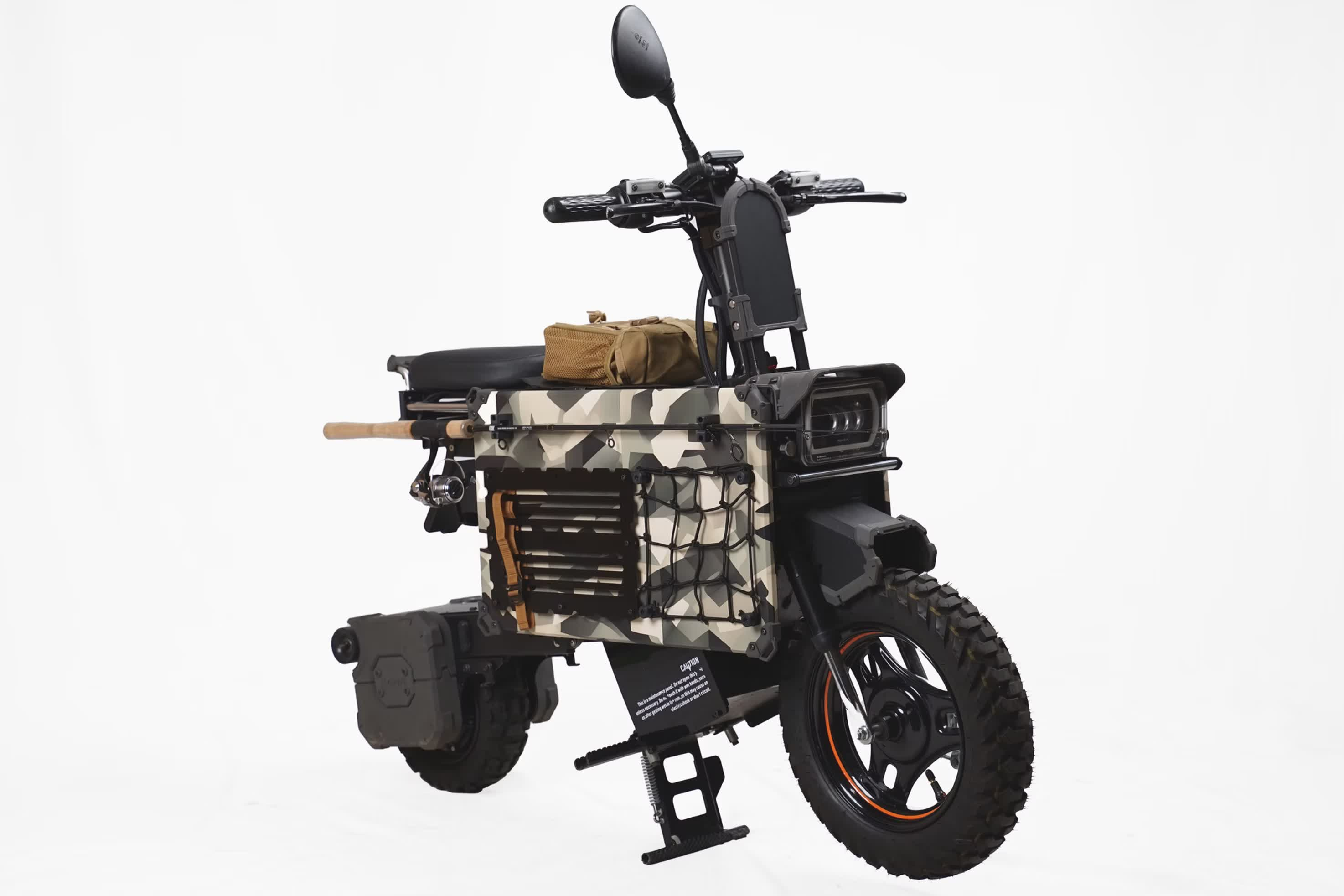
My favourite. Not a car, but a compact, foldable electric scooter designed for dense cities. It folds in seconds into a suitcase-sized box that can stand upright or roll alongside you when you don’t want to pay for street parking. Hand-built in Tokyo, it has a top speed of 30 mph and a range of up to 30 km. As someone who overused Paris’s Cityscoot to get quickly from one bank to another, I would definitely book this through a hotel, especially on a business trip.
Paris had a thing like this for a while. They never managed to make it profitable and then the Mayor pulled the plug (probably some heavy partisan politics involved too). But it would be interesting to study what went wrong with all that to make it better. For one was having to find a charging drop-off station. Which sometimes meant a 15-20 minute walk from your destination.