Big bites!
It has been a busy week for the fast food industry, or QSR as the connoisseurs like to call it.

It has been a very busy week for the fast food industry, or QSR as the connoisseurs like to call it.
What’s up with McDonald’s CEO?
McDonald’s hasn’t launched a new product in a long time, and I don’t know what went through the head of their PR team, but they not only thought it was a good idea to film their CEO making the presentation, but also thought it was a good idea to post it online.
Just from the thumbnail, even before the video starts, you can see the distress on the guy’s face. It feels like he’s a vegan hostage who was forced to eat live meat. The video is cringe, and a lesson for any business that sometimes it is better to rely on professionals than trying to spin up something homemade.
The worst part is that he’s probably very good at being CEO. During their last earnings call for Q4 2025, McDonald’s reported a 10% increase, beating analyst forecasts of roughly $6.85 billion, driven by successful value meal initiatives and steady improvement in customer traffic. It’s not a small victory when we know how other chains are struggling to keep foot traffic.
Of course, arch-nemesis Burger King’s CEO was too eager to pile on and released a similar video with a “big bite” into their own burger.
Talking about struggling QSR.
2026, like 2025, keeps being a bad year for Sweetgreen, which does not seem to know how to turn the company around. As Dan Frommer from The New Consumer explains: in 2020 the salad was $9, it is now $14, but the recipe and size haven’t changed. It’s hard to remain competitive in this world.
As I have previously said, I think the role of founder is different from the role of CEO, some are good at both, but most are either one or the other. Uber is the perfect example: Travis Kalanick had a good idea, but Dara is the one who made it profitable. Same for Chipotle, Steve Ells can be praised for his rigor in recipe and choice of quality ingredients, but it’s Brian Niccol who really made the company a financial rocket ship.
In the case of Sweetgreen, the first co-founder left last year, and it is time for Nicolas Jammet to also pass the baton.
Talking about Chipotle and Brian Niccol.
Brian Niccol, now at Starbucks, is working hard for the coffee brand to regain the title of “third place” that made it famous back in the day. To do so, Niccol wants to play on the ongoing nostalgia trend and asked his team to redesign blasts from the past: a new cup and an oversized comfy chair. Interestingly, Starbucks has a “history” section on their website where they share the lore of the company’s iconic pieces:
In 1996 we overhauled our aesthetic accordingly, abandoning stiff elements for a more lived-in look. Hello, purple chair.
It made people feel at home. But although it was iconic, it wasn’t very practical. The fabric was easily worn and hard to keep clean.
By 2008, we bid farewell to the purple chair as part of our transformation plan – but its memory lives on.
At the same time, his previous company Chipotle has people going crazy about their in-store chairs. The OG ones, to be precise — not the new ones — with some resale websites listing them around $100 each.
The chair story could be the one of a Hallmark Christmas movie. Steve Ells needed eight chairs for his first restaurant, so of course he asked his artsy friend to make them. The first version sucked, the second was not robust enough to withstand restaurant traffic. The artsy friend was about to throw in the towel and leave, but Steve convinced him to give it one last try. The rest is history, tens of thousands of them were produced.
Both Niccol and Ells are chasing what Ana Andjelic calls “archive as founding mythology.” The purple chair and the Chipotle stool are proof that the brand is more than just aesthetics. It’s about digging back to the original intention.
For Starbucks, the purple chair alone represents the concept of the third place. Putting it back, Niccol aims to turn it into a cultural artifact.
Chipotle’s chair story is messier, but lives as a myth for the hardcore fan (the one who almost never sees the light of day). And myths, Andjelic argues, are the thing that actually turns a product into culture.
Talking about Nostalgia.
In the same vein as Starbucks reviving the aesthetic of their old chair, Pizza Hut is reviving the entire aesthetic of its former restaurants — the ones with the trapezoidal roof, the red plastic glasses, and the salad bar. When fast food had actual character, before it became the same tepid building, inside and out, for every brand.
Customers drive hours with their families to visit them, and the corporate team did not even know they still existed. A large number of customers even acknowledge that Pizza Hut doesn’t make the best pizza, they are only coming back for the nostalgia, and because it reminds them of a simpler time with family.
The Pizza Hut story is not the only one. Red Lobster and Chili’s are also coming back, demonstrating not only the love for nostalgia but also a need for more mid-price-point offers. Rafat Ali documented the death of the middle class in hospitality, but it would be great to see more hotel brand rebirths, maybe in the motel space, or dedicated to tier-2 cities only.
Short facts because this edition is already too long:
Taco Bell’s keynote is back for the third time, with an even bigger format. I watched the first two... it’s totally cringe, but I can’t not watch it.
An app that tells you when there is a recording device near you. That would be the perfect tool for Airbnb.
Claude Code rolls out voice directly into its product, start talking not typing.
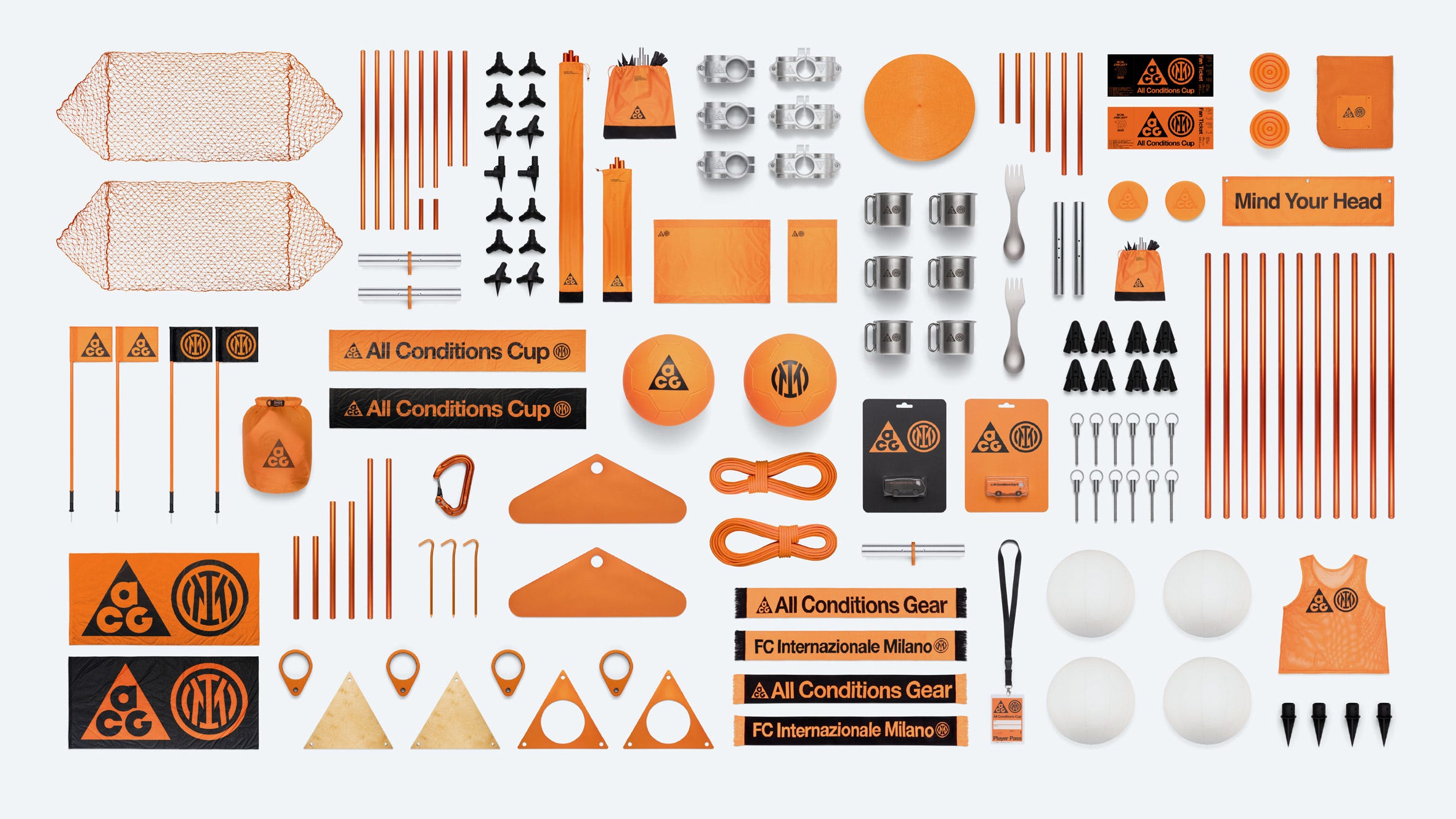
Nike ACG is back in the hype game.
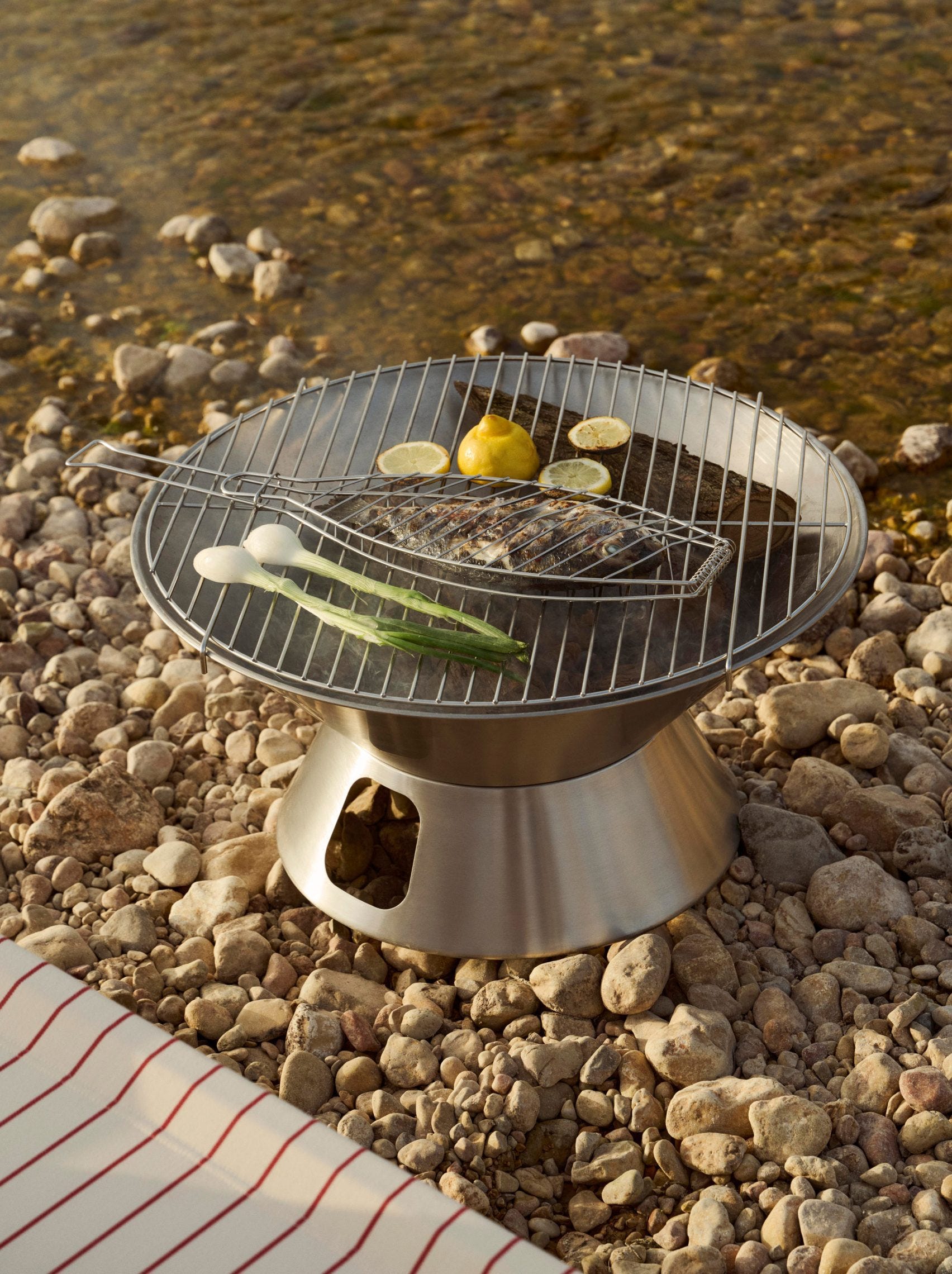
Hay (design furniture) is one of the brands I miss the most from Europe, they always do great stuff. This with Jasper Morrison is great; hotels need to offer more portable BBQs as amenities.