

3,000 Phone Calls
New York Magazine buys you coffee, Toast does your marketing, and a nerd calls 3,000 pubs

Three stories this week about who’s doing the talking between a business and its customers—and through what channel.
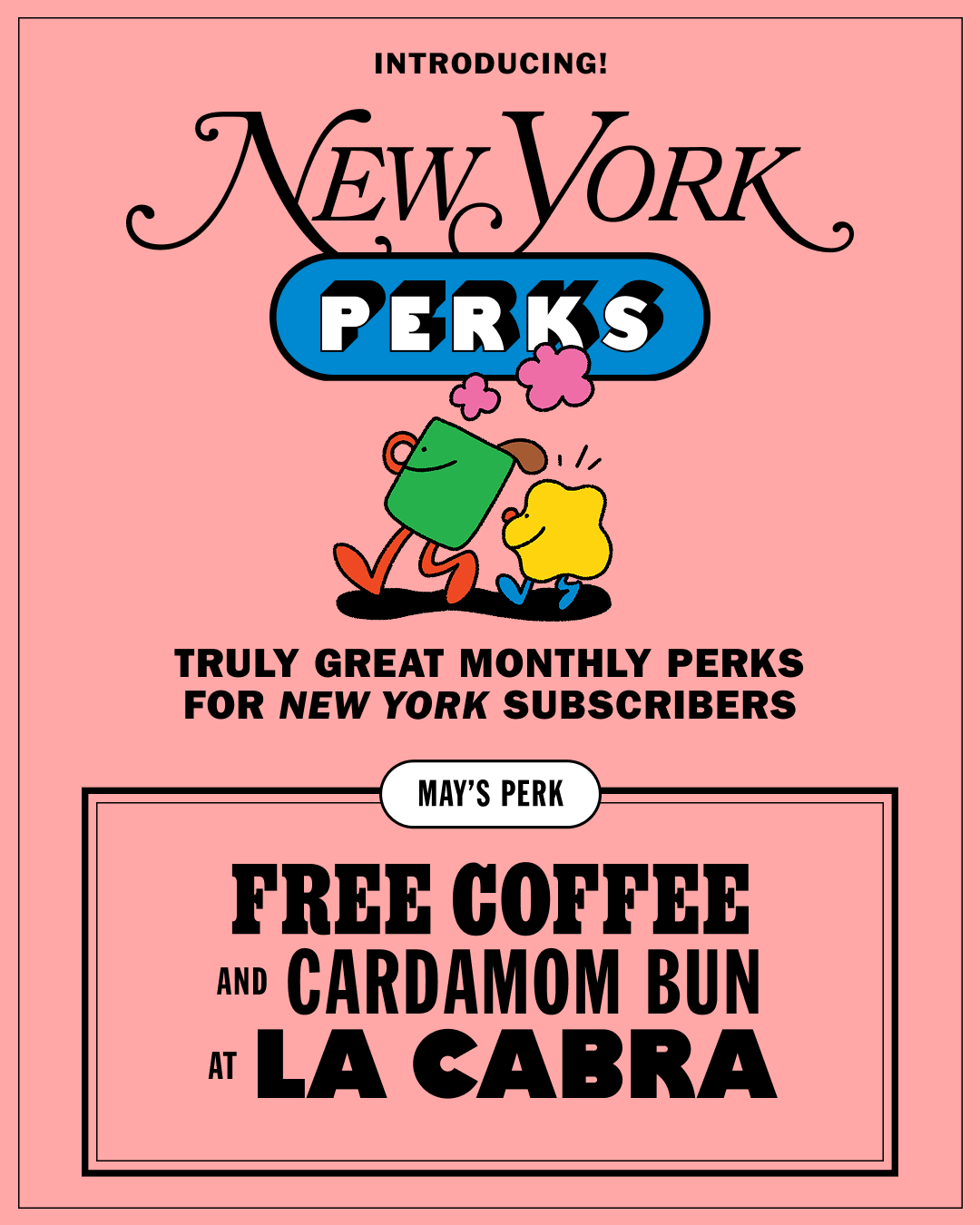
New York Mag is now offering one perk per month to subscribers—a free pastry, a drink, access to an event. They start with a free coffee at La Calabra. It’s Blackbird Breakfast Club logic on a smaller scale, once a month instead of daily, but pointed in the same direction: bring your subscriber base into the same physical space.
It makes sense when advertising revenue erodes. Even for a brand as strong as New York Mag, most subscribers now consume content online, which makes them interchangeable—one tab away from being replaced. A pastry won’t fix that entirely, but it does something a paywall can’t: It turns a subscription into a place you go, not just a thing you read. The editorial sensibility becomes spatial. That’s a switching cost no competitor can copy with a better headline.
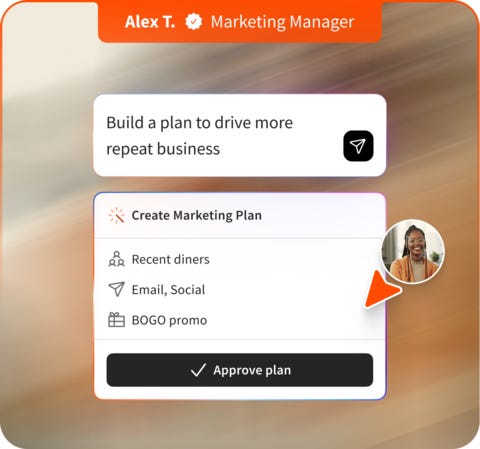
Every restaurant owner knows they should do more marketing. None of them have time for it. DoorDash and Toast both released AI tools this week built to do it for them. Toast IQ Grow is, per the press release,
“a complete marketing solution that takes on the day-to-day work of marketing a business. From spotting a lunch slowdown to launching the campaign to fix it.”
For once, AI isn’t replacing a job here. If restaurants don’t have a website, barely answer reviews, or never update their menu visuals, it’s more because they never had budget for a marketing hire rather than a lack of envy.
One caveat: off-the-shelf solutions produce off-the-shelf results. If every restaurant uses the same tool with the same defaults, every menu description and campaign will sound identical. You’ll spot Toast IQ copy the way you already spot AI slop.
The better play is spending 10 minutes with the base models—Claude Code, Codex—and learning to tweak the output yourself. The tools to build something specific to your problem are now fast and cheap enough that buying a generic wrapper is the wrong call.
A nerd pays eight euros for a pint and starts wondering what the average price of a Guinness is across the country. Instead of Googling it like a normal person, he opens his laptop and builds a voice AI agent that calls 3,000 pubs. The agent finds the numbers, makes the calls, has the conversations, reports back.
Today this reads as a fun experiment with a frivolous outcome. But give that same capability to every one of your customers. If tomorrow all your patrons ditch Resy and start building agents to call restaurants directly—to make a reservation—who’s going to pick up the phone?
Resy exists because calling was inefficient for humans. Once it’s free and instant for machines, the reservation layer gets renegotiated entirely.
Every operator running the same tool with the same defaults sounds like a press release from a town with no name. That's not marketing. That's paying to be generic.